
If you're selling a home in California, you may have heard you need a sewer lateral inspection before the sale can close. That's true in some places and not in others, because there isn't one statewide law that applies to every California seller. Instead, it's a patchwork of local ordinances, each with its own rules, triggers, and exemptions.
That distinction matters. A seller in one city might need a certified inspection and possible repairs before escrow closes, while a seller a few miles away, under a different jurisdiction, might have no such requirement at all. Getting a camera inspection early is the one move that works regardless of which rules apply to your specific property.
This guide walks through how these ordinances actually work, what a typical requirement looks like, and how to figure out what applies to your home before you're deep into a sale and short on time.
In this article, you will learn about:
- Why there's no single statewide sewer lateral law in California
- What a typical point-of-sale ordinance actually requires
- How to find out what applies to your specific property
- What to do if your lateral doesn't pass inspection
Keep reading to understand exactly what a sewer lateral requirement could mean for your sale, and how to get ahead of it before it becomes a closing delay.
Why there's no single statewide sewer lateral law in California
The idea of a single California law governing sewer lateral inspections at the point of sale is a common misconception, and an understandable one given how many cities have adopted similar rules.
State code sets the baseline, cities add the requirements
California's plumbing standards come from the California Plumbing Code, which sets baseline requirements for sewer lateral sizing, slope, and materials statewide. What the state code doesn't do is require an inspection specifically tied to a property sale. That requirement, where it exists, comes from individual city or county ordinances layered on top of the state baseline.
This is a structural feature of how California code works generally: cities and counties are free to adopt local amendments and requirements that exceed the state minimum, as long as they don't fall below it.
Sewer lateral inspection at the point of sale is one of the more common local additions, and it exists because of a real infrastructure problem: the California Regional Water Quality Control Board, San Francisco Bay Region, has found that damaged private laterals can contribute more than 50 percent of the total groundwater and stormwater intrusion into a public sewer system.
Dozens of cities, no single template
At least 30 California municipalities have adopted some version of a point-of-sale sewer lateral ordinance, and no two are identical. Some trigger on the age of the home, some on the age of the lateral itself, and some on the simple fact of a title transfer regardless of age.
- San Bruno requires inspection and certification for homes 50 years or older before sale
- Burlingame requires testing for any structure built more than 25 years before the transfer
- Pacifica requires a video inspection at time of sale, with a compliance certificate that must be renewed periodically
- The City of San Luis Obispo requires inspection before any change in ownership, with exemptions for laterals installed or inspected within specific recent time windows
Each of these is a completely separate local law, adopted independently by that city's council or sanitation district, not a single rule handed down from Sacramento.
Why the confusion happens
Real estate agents, title companies, and homeowners moving between California cities often assume a rule that applied in their last sale applies everywhere. Given how common these ordinances have become in coastal and Bay Area communities specifically, that assumption is reasonable, just incorrect.
- A rule from a previous sale in another city doesn't automatically carry over
- Real estate agents may not always know the specific requirement for every jurisdiction
- Title companies typically flag known requirements, but confirming directly with the city avoids relying on secondhand information
The safest approach is always to check the specific requirements of the city or sanitation district where the property sits, rather than assume a rule from a previous transaction carries over.
What a typical point-of-sale ordinance actually requires
While no two ordinances are identical, most that exist follow a similar general structure once you look past the specific numbers.
The trigger event
Nearly all of these ordinances are triggered by a transfer of title, meaning the requirement kicks in when a property is being sold rather than applying to an owner who has no plans to sell. Some ordinances add secondary triggers too, such as a major remodel over a certain dollar threshold, adding a bathroom, or increasing the size of a water meter.
The City of San Luis Obispo's ordinance, for example, is triggered by a change in property ownership along with several other events: adding a bedroom or bathroom, increasing water meter size, or adding an accessory dwelling unit, according to the City's own utilities department. A homeowner there can skip a fresh inspection if the lateral was installed or replaced within the last 20 years, or if an inspection was already completed within the past 5 years.
The inspection itself
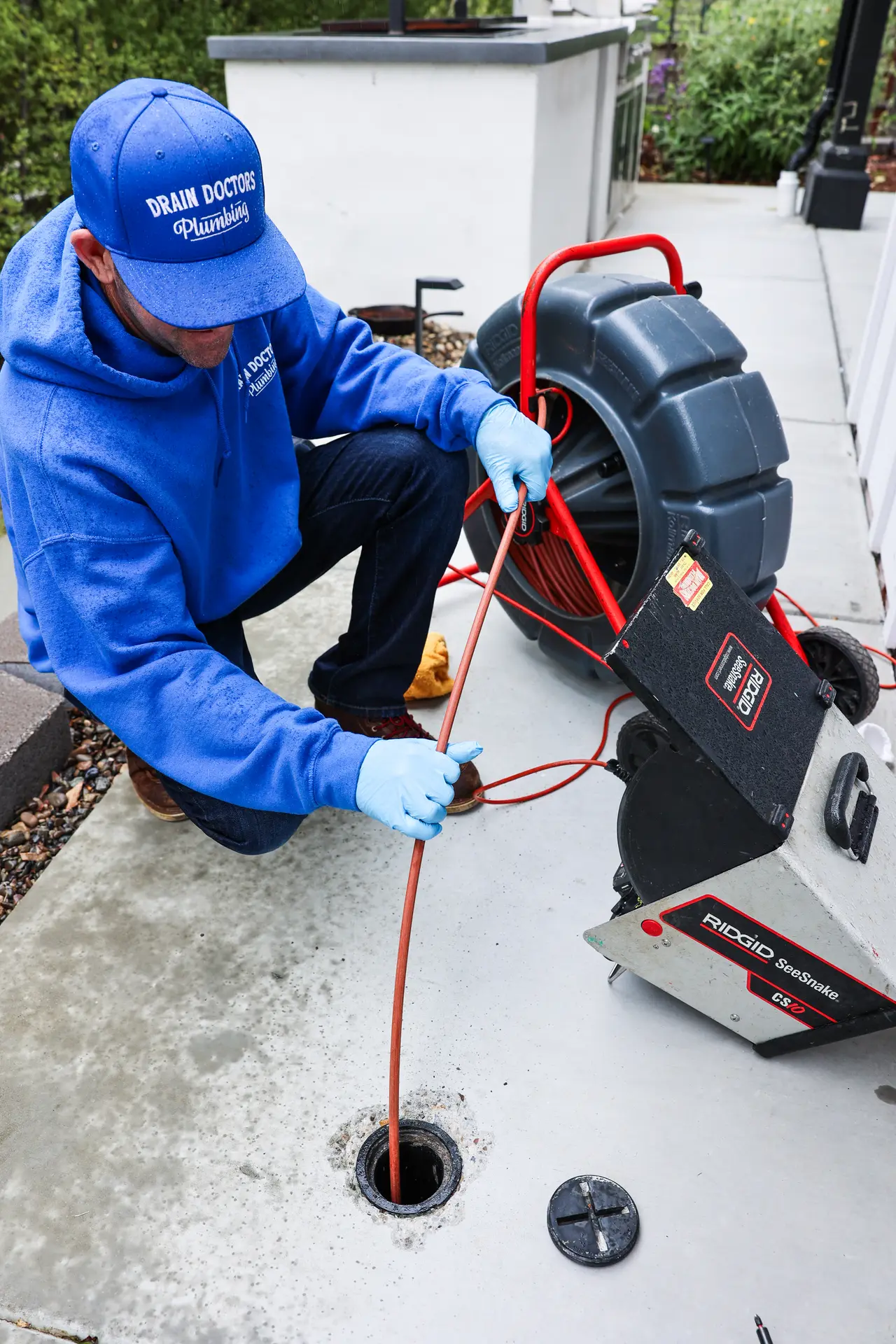
Most ordinances require a video, or CCTV, inspection of the private lateral, the section of pipe running from the home to the public sewer main. The homeowner typically bears the cost of this inspection, and it must usually be performed by a licensed professional following the city's specific documentation requirements.
- 1The inspection covers the entire lateral, from the house connection to the public main
- 2Video footage generally must be dated, in color, and show a running distance marker
- 3Joints along the line typically need to be paused on and shown clearly, since that's where most defects appear
If the lateral passes without defects, the city typically issues a compliance certificate, sometimes valid for a set number of years before a fresh inspection is required again.
What happens if the lateral fails
If the inspection reveals a defect, most ordinances require the necessary repair or replacement to be completed and approved by the city before the title can transfer. This is where a straightforward sale can turn into a longer process if a homeowner hasn't planned for the possibility.
Some cities allow the repair cost to be negotiated between buyer and seller rather than mandating the seller complete it before listing. Either way, the repair itself typically needs city approval and, often, a follow-up inspection before the certificate is issued.
How to find out what applies to your specific property
Since these rules vary so much by jurisdiction, confirming what actually applies to your property is the most important step before you assume anything.
Start with the city or sanitation district
The public works or utilities department for the city where the property sits is the authoritative source on whether a point-of-sale requirement exists, what triggers it, and what the specific documentation requirements are. For properties in unincorporated areas, the relevant sanitation district, rather than a city government, is usually the right place to check.
- Contact the local public works or utilities department directly
- Ask specifically about point-of-sale or property-transfer sewer lateral requirements
- Confirm whether any exemptions apply based on the age of your specific lateral or a prior inspection
Requirements and exemptions change over time as ordinances get updated, so even a homeowner who checked a few years ago should confirm current requirements before listing.
Don't assume "no requirement" means "no risk"
Even where no point-of-sale ordinance exists, a homeowner selling a property with a failing sewer lateral is still taking on real risk. Buyers increasingly request their own inspections during due diligence, and a defect discovered by a buyer's inspector, rather than disclosed upfront, can complicate or delay a closing regardless of whether a local ordinance required it.
Getting ahead of the question with your own inspection, even in a jurisdiction with no formal requirement, puts you in a stronger negotiating position and avoids a surprise mid-escrow.
Building in enough time
Point-of-sale inspection and any required repairs take real time, and that timeline doesn't always align neatly with a typical escrow period. A homeowner who waits until an offer is already accepted to schedule an inspection is working against the clock if a defect turns up.
Scheduling an inspection as early as possible in the selling process, ideally before listing, gives enough runway to handle a repair without it becoming the reason a closing date slips.
What to do if your lateral doesn't pass inspection
A failed inspection isn't the end of a sale. It just means there's a repair to sort out before the transaction can close under the applicable ordinance.
Understanding the scope of the defect
A camera inspection shows whether a defect is isolated to one section of the lateral or spread across the entire run, and that distinction drives what kind of repair makes sense. A single cracked joint is a very different project than a line with widespread cracking or root intrusion throughout.
Getting a clear, honest read on the actual scope before committing to a repair plan matters just as much here as it does for any other sewer line decision, since an unnecessarily large repair costs more time and money than the situation calls for.
Repair, replacement, and re-inspection
- 1Confirm exactly what the initial inspection flagged and where along the line it occurred
- 2Complete the repair or replacement work through a licensed, permitted process
- 3Schedule the required follow-up inspection to confirm the fix meets the city's compliance standard
Each of these steps takes coordination with the city or district issuing the compliance certificate, so building in time for permitting and scheduling matters as much as the physical repair itself.
Negotiating the cost with a buyer
In many transactions, the cost of a required lateral repair becomes part of the negotiation between buyer and seller rather than something the seller absorbs entirely on their own. How that plays out depends on the specific ordinance, the local market, and what both parties agree to as part of the sale.
Having a documented, professional inspection and a clear repair estimate in hand strengthens your position either way, since it replaces uncertainty with a concrete number both sides can work from.
Conclusion
There's no single California law requiring a sewer lateral inspection before every home sale in the state. What exists is a patchwork of local ordinances, each with its own triggers, documentation requirements, and exemptions, adopted independently by cities and sanitation districts across California.
The only reliable way to know what applies to your property is to check directly with the local jurisdiction where it sits, and the smartest move as a seller is getting a camera inspection early, whether or not a formal requirement exists where you live.
If you're preparing to sell a home and want a clear picture of your sewer lateral's condition before it becomes a closing issue, Drain Doctors Plumbing can run a full camera inspection and walk you through exactly what it shows. Reach out to Drain Doctors Plumbing to get started.