
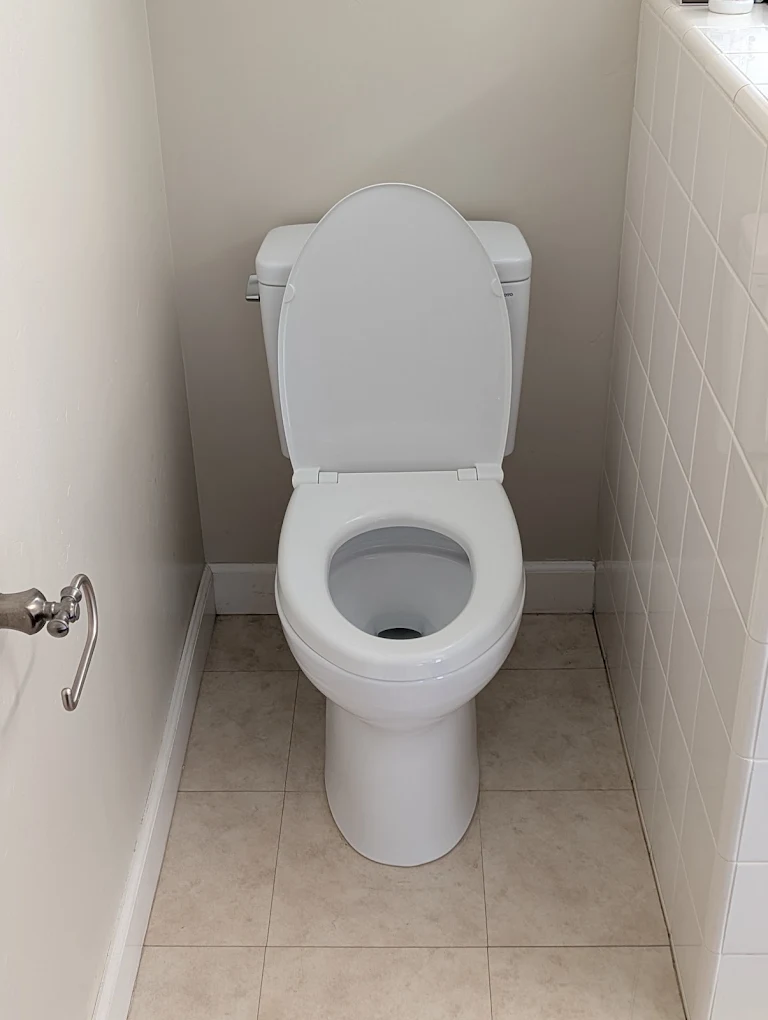
The phrase "California low flow fixture insurance requirement" makes it sound as though one statewide insurance law forces every homeowner to replace toilets, faucets, and showerheads. That is not quite how the rules work. California has water-conserving fixture laws, local governments may have retrofit or certification programs, and an insurance company may separately request plumbing information or improvements while evaluating a policy.
The source of the request matters. A letter from an insurer is an underwriting issue. A permit condition comes from the building department. A disclosure form relates to a sale or transfer. Each process can involve the same fixtures, but the deadline, proof, and consequences are not interchangeable.
If you receive a notice, do not buy a houseful of fixtures based on a phone summary alone. Request the requirement in writing, identify every fixture that is actually noncompliant, and determine whether the work involves a simple swap or broader low-flow fixture installation.
In this article, you will learn about:
- Why California's plumbing law is not a universal insurance mandate
- Which fixtures and flow rates count as compliant
- How to respond when an insurer asks for plumbing upgrades
- What Central Coast homeowners should check before replacing fixtures
Keep reading to separate the rule that applies to your home from the assumptions that can waste time and money.
Why California's plumbing law is not a universal insurance mandate
California law and insurance underwriting operate in different lanes. State property law establishes when older water-using fixtures must be replaced or disclosed. An insurer evaluates the condition and risk profile of the property under its own filed underwriting rules and the terms of the policy.
That means a carrier can ask for photos, installation dates, an inspection, or proof that plumbing work was completed even though the water-conservation statute is not written as an insurance mandate. Conversely, satisfying an insurer's request does not automatically prove compliance with every state or local retrofit rule.
Start by sorting the notice into one of these categories:
- A new-policy inspection or underwriting questionnaire
- A renewal condition or request for corrective work
- A cancellation or nonrenewal notice with a stated reason
- A building-permit condition for an alteration or improvement
- A real-estate disclosure or local point-of-sale certification
- A water-district conservation or rebate program
- A request from a lender, escrow officer, buyer, or home inspector
Keep the original letter, email, inspection report, and photographs together. The exact wording determines whether you need a fixture replacement, a plumbing inspection, proof of an earlier upgrade, or a conversation with the insurer.
If the request is unclear, ask the sender to identify the fixture, the applicable standard, the acceptable documentation, and the response deadline. A general demand to "update the plumbing" may refer to supply piping, water heaters, shutoff valves, leak history, or visible deterioration rather than fixture flow rates.
SB 407 created plumbing duties, not an insurance policy clause
California Senate Bill 407 became part of Civil Code sections 1101.1 through 1101.9. Its main focus is water conservation in properties built on or before January 1, 1994, not the terms of homeowners insurance contracts.
The state's SB 407 statutory summary identifies older toilets using more than 1.6 gallons per flush, showerheads exceeding 2.5 gallons per minute, interior faucets exceeding 2.2 gallons per minute, and urinals exceeding 1 gallon per flush as noncompliant. It also records a January 1, 2017 replacement deadline for single-family residential property and a January 1, 2019 deadline for multifamily residential and commercial property.
Insurance requests come from the carrier's underwriting process
An insurer may inspect a home or ask questions about plumbing because water losses can be expensive and maintenance conditions affect risk. The company might focus on pipe material, plumbing age, prior leaks, water-heater condition, or automatic shutoff protection. Low-flow fixtures may appear on a checklist, but they are only one part of the plumbing picture.
Ask whether the request is mandatory for eligibility, tied to a discount, or simply informational. Then ask what proof will satisfy it. A dated invoice, model number, plumber's report, permit record, or clear photograph may be enough, depending on the carrier.
A compliance request is not the same as claim coverage
Replacing a fixture does not expand the losses covered by the policy. The California Department of Insurance explains that homeowners policies commonly distinguish sudden and accidental water damage from seepage, ongoing leakage, wear, and maintenance problems. The policy language and cause of loss control the claim decision.
Visible drips, loose connections, corrosion, or a toilet that runs continuously still need attention. A broader plumbing inspection and repair can identify those conditions while the fixture inventory is being completed, but insurance coverage questions belong with the carrier or a licensed insurance professional.
Which fixtures and flow rates count as compliant
Homeowners often encounter two different sets of numbers. Civil Code defines the older fixtures that triggered the statewide retrofit law, while current construction and product standards use lower maximum flow rates for new water-conserving fixtures. The date and purpose of the inspection determine which comparison is being made.
Do not judge a fixture by appearance alone. A toilet installed years ago may already meet the required flush volume, while a newer-looking showerhead may lack a readable flow marking. Model information, permanent labels, invoices, and measured flow can help establish what is installed.
Use this room-by-room inventory before ordering replacements:
- Record the gallons-per-flush marking inside or behind each toilet tank.
- Read the gallons-per-minute marking on every showerhead.
- Check bathroom, kitchen, laundry, bar, and utility faucets for flow information.
- Include handheld sprayers and multiple shower outlets in the same enclosure.
- Photograph the model number and flow label whenever they are visible.
- Note leaks, weak shutoffs, corrosion, movement, or damaged connections.
- Match each fixture to the exact standard named in the notice or local form.
The inventory can reveal that only a few fixtures need work. It also helps prevent replacing a compliant toilet while overlooking an unmarked faucet or an older second showerhead.
When a fixture cannot be identified, testing or replacement may be more practical than guessing. The person certifying compliance should use the documentation and procedure accepted by the agency, insurer, or local program involved.
Current California limits are lower than the old noncompliance thresholds
California's current residential code values are more efficient than the thresholds used to define the older fixtures targeted by SB 407. The 2025 CALGreen residential measures, effective January 1, 2026, cap toilets at 1.28 gallons per flush, single showerheads at 1.8 gallons per minute, residential bathroom faucets at 1.2 gallons per minute, and kitchen faucets at 1.8 gallons per minute with a temporary increase to 2.2.
For a replacement project, selecting products approved for sale and use in California reduces ambiguity. The product specification should still be checked against the local certification form and the insurer's written request.
Toilets need the right fit as well as the right flush volume
A compliant toilet must fit the rough-in, clear the wall and door, seal correctly at the flange, and flush reliably with the existing drain layout. Replacing the bowl without checking the flange can leave movement or leakage hidden at the base.
Existing damage may change the scope from a straightforward swap to a toilet repair or installation. Homeowners comparing models should also account for height, bowl shape, supply-line condition, shutoff access, and whether a damaged flange needs correction.
Faucets and showerheads can expose other plumbing problems
An aerator or showerhead may be simple to replace, but frozen threads, corroded stops, aging valves, and brittle supply lines can turn a small task into a leak. A low-flow device also will not correct inadequate pressure caused by a restricted pipe or failing regulator.
The connection beneath a sink matters as much as the fixture above it. A faucet repair or replacement may include worn cartridges, damaged supply tubes, or shutoffs that no longer close. In the shower, the valve behind the wall should be evaluated separately from the visible shower fixture.
How to respond when an insurer asks for plumbing upgrades
Treat an insurance notice as a document-management problem before treating it as a shopping list. Confirm the sender, policy number, inspection date, deadline, and requested correction. Do not rely on a contractor to interpret coverage or on an insurance representative to design plumbing work.
Responding early gives you time to clarify vague language, schedule an inspection, source compliant fixtures, and request an extension if parts or appointments are limited. Waiting until the final week can leave little room to correct rejected documentation.
A practical response sequence is:
- 1Verify the notice through the phone number or portal listed on your policy documents.
- 2Ask for the exact underwriting requirement and deadline in writing.
- 3Request the inspection report and photographs if an inspection triggered the notice.
- 4Confirm whether the request concerns flow rates, leaks, piping, shutoffs, or another condition.
- 5Inventory and photograph the fixtures before any work begins.
- 6Obtain a written scope identifying the compliant replacement models.
- 7Save invoices, permits, model sheets, and after-work photographs.
- 8Submit the proof through the carrier's stated method and request written acceptance.
Keep copies of every submission and note the date, representative, and reference number for each conversation. If the carrier rejects the proof, ask what specific item remains incomplete.
Do not state that plumbing was upgraded when only a fixture was replaced. Accurate descriptions protect you from creating a mismatch between the application, the inspection record, and the actual condition of the home.
Calendar the insurance deadlines first
California gives homeowners specific notice protections. The California Department of Insurance residential guide says that after a residential policy has been in effect for 60 days, cancellation is limited to reasons specified by law. It also says most cancellation notices require at least 20 days' notice, notices involving nonpayment or fraud require at least 10 days, and written nonrenewal notices must be sent at least 75 days before expiration.
Those notice periods do not mean every underwriting dispute will be resolved in your favor. They do provide a timeline for contacting the carrier, completing legitimate corrections, shopping for coverage, or asking the Department of Insurance for assistance.
Document the work before walls and packaging disappear
Photograph the old fixture label, the connection area, the new product box, and the installed fixture. Keep the invoice specific enough to show the property address, installation date, manufacturer, model, flow rate, and work performed.
Documentation is especially important during a larger bathroom plumbing remodel. Once finishes are installed, shutoff replacements, valve work, and corrected connections may no longer be visible in a basic photograph.
Challenge unclear requests through the right channel
If the notice does not explain what must be corrected, start with the agent or carrier and ask for a written answer. A disagreement about an insurer's process belongs with the California Department of Insurance, an insurance professional, or legal counsel, not with the plumbing contractor.
The plumber's role is to document fixture condition, identify flow ratings where possible, and complete an agreed scope. That separation keeps the repair record factual and avoids promises about renewal, premiums, discounts, or claim decisions.
What Central Coast homeowners should check before replacing fixtures
State law creates a baseline, but Central Coast homeowners may also encounter city, county, water-district, and permit requirements. A form used inside one city may not apply to an unincorporated property or a neighboring water-service area.
Confirm the property's jurisdiction and water provider before scheduling a certification. The mailing city on the address does not always identify the building department or conservation program with authority over the property.
Before work begins, verify these local details:
- Whether the property is inside an incorporated city or unincorporated county area
- Whether a point-of-sale or water-conservation certificate is required
- Who is allowed to inspect or certify the fixtures
- Which flow rates the current local form lists
- Whether a plumbing permit or final inspection applies to the scope
- Whether rebates require preapproval, old-fixture photographs, or specific models
- Whether responsibility can transfer to a buyer and within what time
- Whether a historic, technical-feasibility, or disconnected-service exemption exists
Get the current form directly from the responsible agency. Real-estate packets, old contractor handouts, and online summaries may not reflect the latest procedure.
A local requirement can be stricter or procedurally different without changing the insurer's separate request. Send each recipient the documentation it asked for rather than assuming one certificate satisfies everyone.
Local retrofit programs can add another layer
The City of San Luis Obispo and parts of unincorporated San Luis Obispo County have their own conservation procedures. The county's Nipomo Mesa retrofit-on-sale program specifically warns that high-flow fixture requirements differ between the Nipomo Mesa Water Conservation Area and the Los Osos Basin.
That local variation is why Nipomo homeowners should verify the parcel's program rather than rely on a statewide checklist. Properties within San Luis Obispo may have a different certification path from nearby unincorporated areas.
Water pressure can change how a new fixture feels
Flow limits are measured under specified test conditions, but the experience at home also depends on available pressure, pipe size, mineral buildup, and the fixture's spray or aeration design. Removing a flow restrictor is not a sound fix for pressure problems and can make the fixture noncompliant.
A quick home water-pressure test can separate a fixture complaint from a supply problem. When pressure is high, unstable, or too low for the equipment, the pressure regulator and distribution system deserve their own diagnosis.
Replace failing fixtures instead of certifying the label alone
A compliant flow rating does not make a leaking or unreliable fixture acceptable. A running toilet can waste water despite its 1.28-gallon label, and a faucet that drips at the spout or leaks below the cabinet still needs repair.
Use the compliance review to decide whether a small repair or full replacement makes sense. The pattern behind a toilet that keeps running may be a worn internal part rather than the bowl itself. Cracks, instability, repeated clogs, and obsolete components can shift the decision toward replacing the toilet.
Conclusion
California requires water-conserving fixtures in older properties under state and local rules, but that framework is not a blanket homeowners insurance mandate. An insurer's request is a separate underwriting matter, and the written notice should identify what the company expects and when.
The safest approach is to verify the source of the requirement, inventory the fixtures, check the current jurisdictional standards, and preserve clear documentation. That process prevents unnecessary replacements and gives each agency or insurer evidence tied to its own request.
Drain Doctors Plumbing can inspect existing fixtures, identify practical replacement needs, and install California-compliant toilets, faucets, and showerheads for Central Coast homes.
Tell us what's going on and our licensed team will point you in the right direction. Call (805) 467-1214 or request service online.